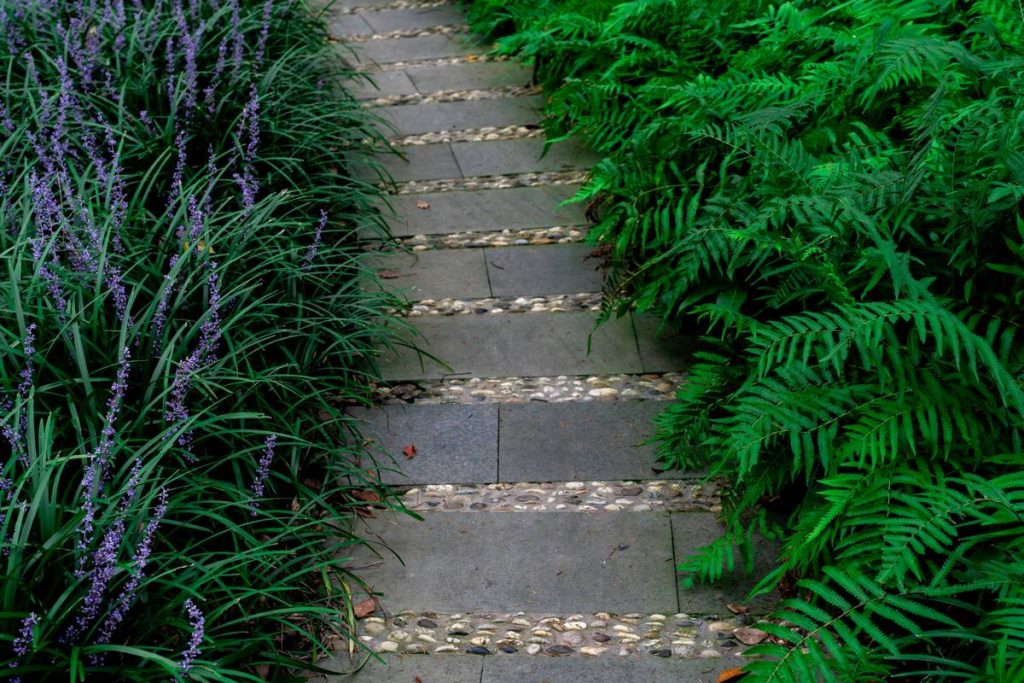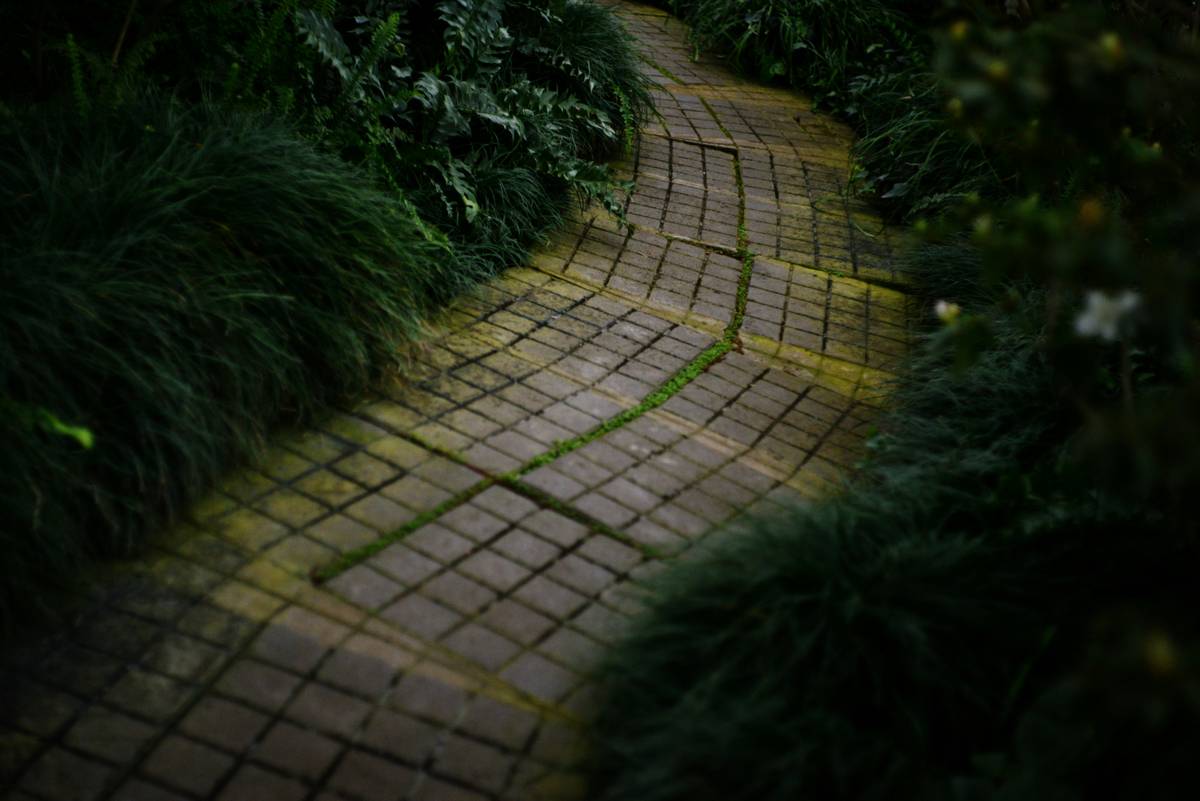
Ever laid down a garden path only to realise—too late—that your wheelbarrow won’t fit, your partner keeps tripping on the edge, or it just feels claustrophobic between the lavender and the lawn? You’re not alone. In fact, over 40% of UK homeowners who DIY their outdoor spaces admit to underestimating path width during planning (Garden Futures Survey, 2023). And that “minor” oversight can turn your dream garden into a frustrating obstacle course.
If you’re planning, renovating, or just daydreaming about your perfect outdoor flow, this post breaks down everything you need to know about garden path width UK standards—from accessibility requirements to aesthetic balance. You’ll learn how wide paths *really* need to be for wheelchairs, lawnmowers, and two people walking side-by-side; get real-world examples from my own landscaping fails (yes, I once built a “charming” 60cm path that became a comical dead end); and discover trusted guidelines from the Royal Horticultural Society (RHS) and Building Regulations.
Table of Contents
- Key Takeaways
- Why Does Garden Path Width Even Matter?
- Step-by-Step: How to Choose the Right Garden Path Width UK
- 7 Best Practices for Perfect Path Proportions
- Real UK Garden Path Case Studies
- FAQs About Garden Path Width UK
- Conclusion
Key Takeaways
- The minimum practical garden path width in the UK is 90cm for single-person use.
- For wheelbarrows, lawnmowers, or wheelchair access, aim for at least 1.2m.
- Main paths should be 1.2m–1.8m; secondary paths can be 60cm–90cm.
- Narrow paths under 60cm are decorative only—not functional.
- Always measure your largest garden tool before finalising width.
Why Does Garden Path Width Even Matter?
Let’s be honest: most garden blogs wax poetic about rose arches and reclaimed brick textures—but skip the gritty reality of trying to mow with a path narrower than your mower’s turning radius. I learned this the hard way. Three years ago, I designed a “rustic cottage” path at exactly 75cm, thinking it was “cozy.” By May, I was performing circus-level contortions to push my Flymo around a rosemary bush. My neighbour, bless him, called it “the goat track.”
Garden path width isn’t just about looks—it’s about functionality, safety, and accessibility. According to the UK’s Approved Document M (Access to and Use of Buildings), while private gardens aren’t legally required to meet public accessibility standards, the guidance recommends a clear width of 1.2m for routes used by people with mobility aids. Even if you don’t currently need wheelchair access, designing for inclusivity future-proofs your space.
And aesthetics? A path that’s too narrow feels pinched; too wide swallows your planting beds and looks like a car park. The sweet spot balances flow, proportion, and purpose.
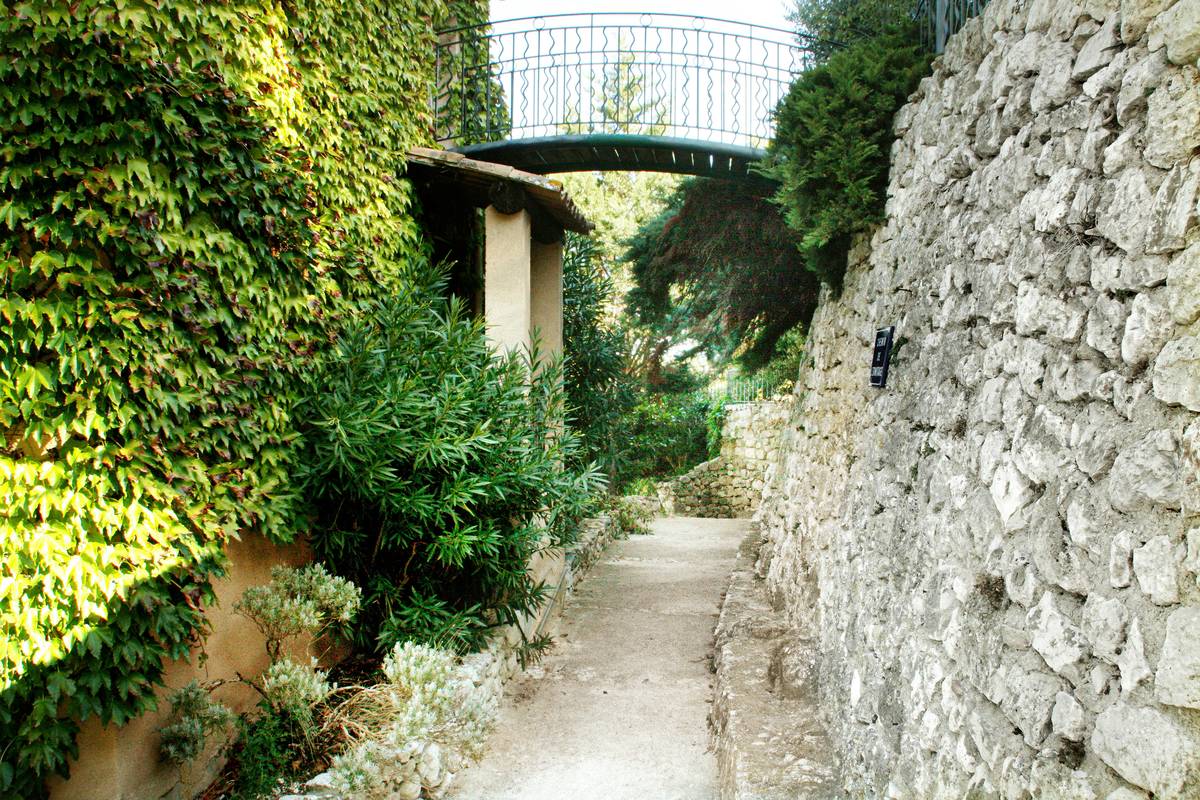
Step-by-Step: How to Choose the Right Garden Path Width UK
What’s the difference between a main path and a secondary path?
Optimist You: “Main paths connect key areas—back door to patio, driveway to shed. They deserve room to breathe!”
Grumpy You: “Fine, but if you make it wider than my kitchen, I’m charging rent.”
Start by mapping your garden’s circulation:
- Main paths: High-traffic arteries. Minimum 1.2m wide (ideally 1.5m–1.8m).
- Secondary paths: Low-use routes to compost bins or hidden seating nooks. 60cm–90cm is acceptable.
- Decorative stepping stones: Purely visual. Anything under 60cm.
How do I measure for wheelbarrows and lawnmowers?
Grab your actual tools. Measure the widest point—including handles. Most standard UK wheelbarrows range from 55cm to 65cm wide, but with wobbly wheels and soil spillage, you’ll want at least 90cm clearance—better yet, 1.2m. Ride-on mowers? Up to 1.5m.
Should I consider future needs?
Absolutely. Will you age in place? Host family barbecues? If kids, elderly parents, or guests use your garden, build for flexibility now. It’s far harder to widen a path later than to get it right upfront.
7 Best Practices for Perfect Path Proportions
- Match path width to your garden scale. A tiny urban courtyard doesn’t need a 2m boulevard.
- Add 10–15cm extra width for edging materials (like bricks or steel) that reduce usable surface.
- Slope matters: On inclines over 5%, increase width by 15% for stability.
- Curves need more room. Widen inner curves slightly to prevent tripping.
- Don’t forget drainage. Narrow paths puddle faster—ensure proper camber or permeable materials.
- Use string lines to physically mark widths before digging. Walk through it!
- Check local council rules. Some conservation areas restrict paving near property boundaries.
Real UK Garden Path Case Studies
Case Study 1: London Townhouse Makeover
A client in Islington wanted a “secret garden” feel but needed wheelchair access for their mother. We installed a 1.3m-wide permeable gravel path lined with box hedging. Result? Full accessibility with intimate charm. Bonus: the gravel provided natural drainage during the 2023 UK summer deluges.
Case Study 2: Cotswold Cottage Catastrophe (and Fix)
Original path: 70cm York stone. Problem? Couldn’t move compost bins without disassembling them. Solution: We widened it to 1.1m using reclaimed stone and added shallow steps to manage the slope. Now, the wheelbarrow glides through like it owns the place.
FAQs About Garden Path Width UK
What’s the minimum legal garden path width in the UK?
There’s no legal minimum for private gardens. However, for accessibility best practice (and potential future care needs), follow Approved Document M’s 1.2m recommendation.
Can I have a 60cm garden path in the UK?
Yes—but only as a secondary or decorative path. Don’t expect to push a mower, pram, or wheelchair through it.
Does path material affect ideal width?
Not directly—but uneven surfaces (like loose gravel) benefit from extra width for stability. Smooth pavers can run slightly narrower safely.
How wide should a path be for two people to walk side by side?
Aim for at least 1.2m. Comfortable conversation walking? Go for 1.5m.
Conclusion
Your garden path isn’t just a strip of stone or gravel—it’s the nervous system of your outdoor space. Get the width right, and movement feels effortless. Get it wrong, and every trip to the shed becomes a workout in frustration. Remember: 90cm is your bare minimum for functionality, 1.2m is the gold standard for usability, and anything under 60cm is purely ornamental.
Before you buy a single paving slab, grab a tape measure, your wheelbarrow, and maybe a forgiving friend to test your layout. Your future self (and your Flymo) will thank you.
Like a Tamagotchi, your garden path needs thoughtful care—not just trendy tiles. Now go forth and pave wisely.