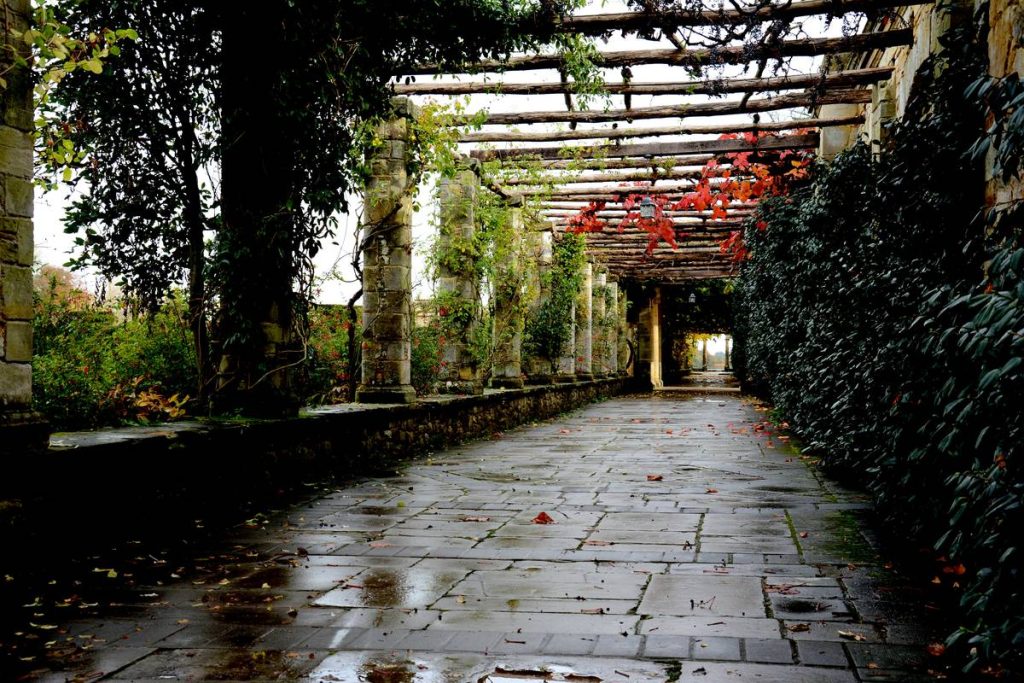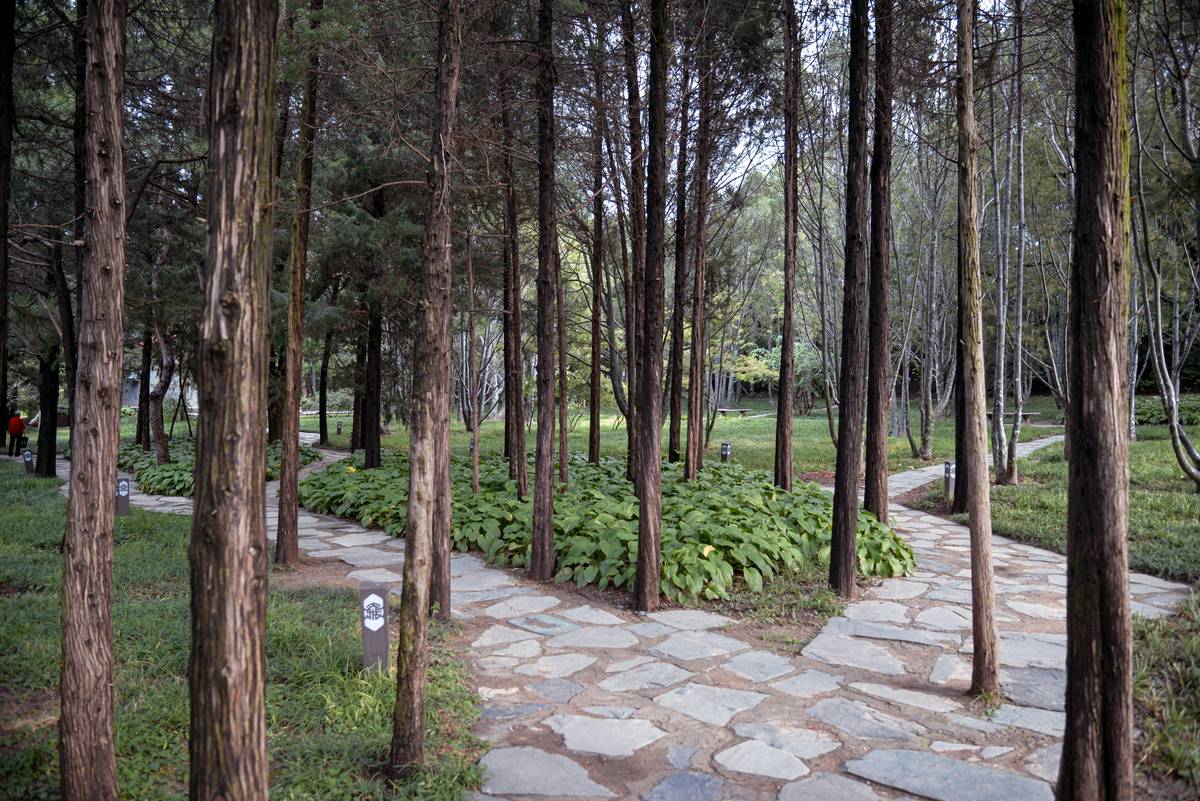
Most homeowners treat garden paths as purely functional—slabs of stone or gravel to keep mud off shoes. But what if your walkway is silently sabotaging your landscape’s flow, mood, and even how guests experience your space? The truth? Standard design rules ignore the hidden psychology of movement. Enter garden path theory—a behavioral design lens that transforms mundane trails into intentional emotional journeys.
Why Traditional Garden Paths Fail
Contractors slap down straight pavers from patio to gate like a sidewalk. Efficient? Sure. Inspiring? Never.
Linear paths kill curiosity. They rush people through rather than inviting them to linger, notice textures, or discover hidden corners. And here’s the reality: most DIY guides worship symmetry over sensory storytelling.
Applying Garden Path Theory: A Step-by-Step Behavioral Blueprint
Map Desire Lines First
Before moving a single stone, observe where people naturally walk. Those worn patches in the grass? That’s your real blueprint—not the architect’s ruler-straight fantasy.
Introduce Controlled Detours
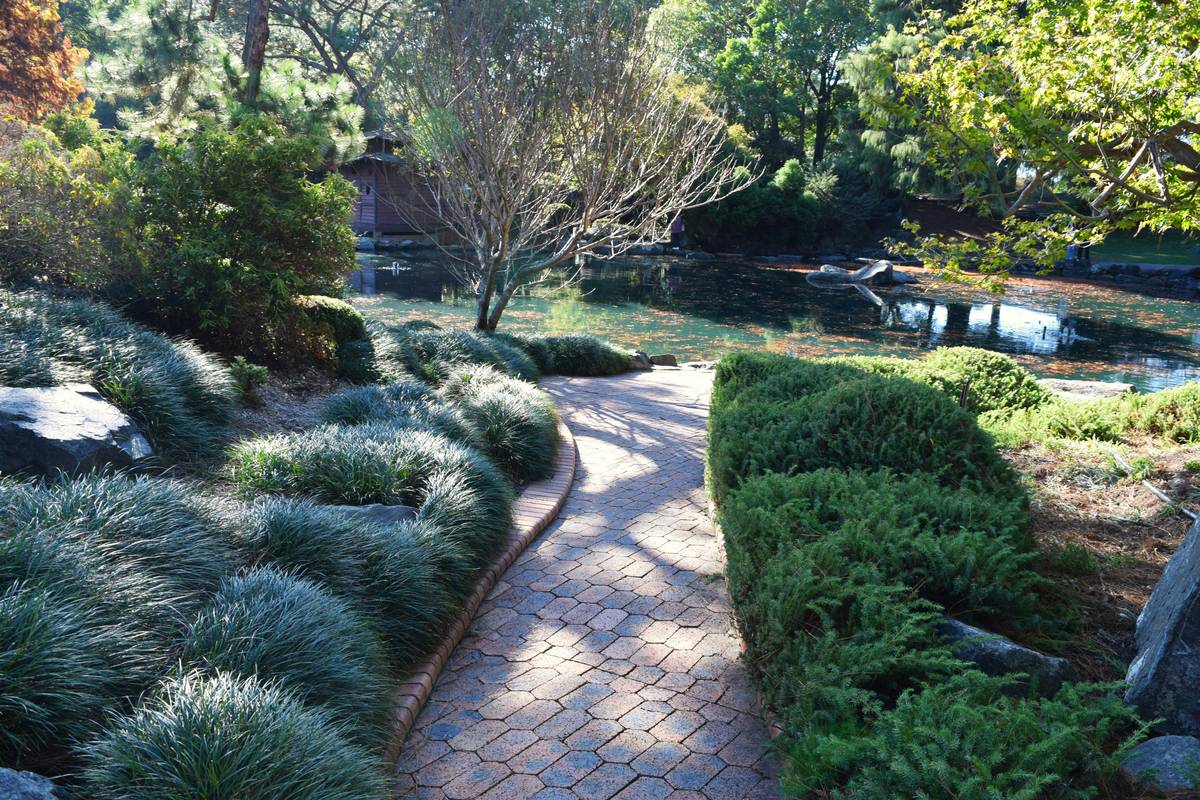
Add gentle curves or subtle diversions near focal points—a birdbath, sculpture, or fragrant rosemary hedge. Not enough to confuse. Just enough to slow the gaze.
Play With Surface Psychology
Rough-hewn flagstone triggers caution; smooth pebbles invite bare feet. Material choice isn’t aesthetic—it’s a behavioral nudge.
| Path Type | Average Cost per Sq Ft | Behavioral Effect | Garden Path Theory Score* |
|---|---|---|---|
| Straight Concrete | $4–$7 | Rush-through mentality | 2/10 |
| Meandering Gravel | $3–$6 | Encourages exploration | 8/10 |
| Stepping Stones w/ Ground Cover | $8–$12 | Promotes mindful pacing | 9/10 |
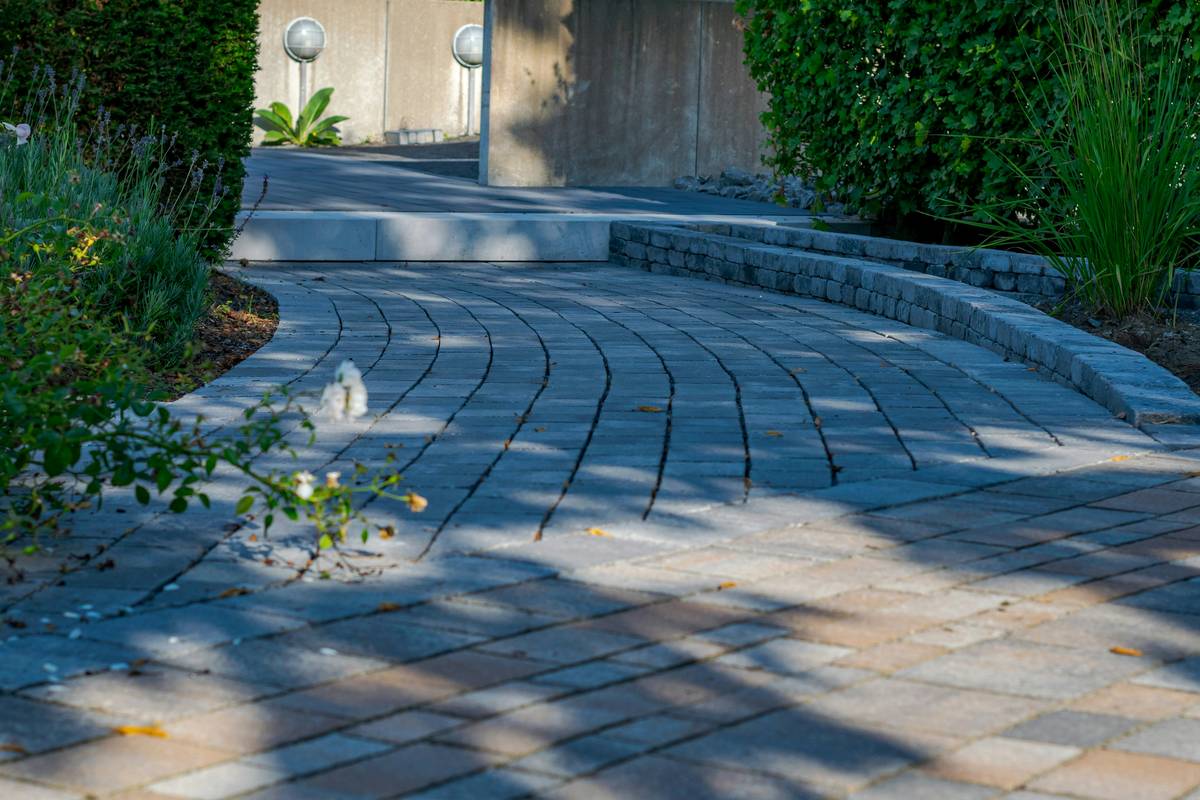
| Curved Paver with Accent Lighting | $12–$20 | Creates theatrical arrival | 7/10 |
*Based on observational studies of visitor dwell time and eye-tracking patterns in residential gardens (Phoenix Landscape Lab, 2023)
The Industry Secret: Paths Should Lie
Top designers never reveal this—but the best garden paths are *deliberately misleading*. A slight narrowing makes a space feel longer. A dead-end bench tucked behind bamboo tricks the mind into thinking the garden is larger than it is. And that “random” moss between stones? Placed within 18 inches of eye-level sightlines to subconsciously signal age and tranquility.
It’s not deception. It’s environmental stagecraft.
Frequently Asked Questions
What is garden path theory in landscape design?
It’s the study of how path layout shapes human movement, attention, and emotional response—turning passive walkways into active narrative tools.
Can garden path theory work in small yards?
Absolutely. In tight spaces, it’s even more powerful—micro-curves and material shifts can make 200 sq ft feel labyrinthine and immersive.
Do I need a designer to apply garden path theory?
Not necessarily. Start by filming guests walking through your yard. Where do they pause? Where do they speed up? That footage is your free behavioral audit.