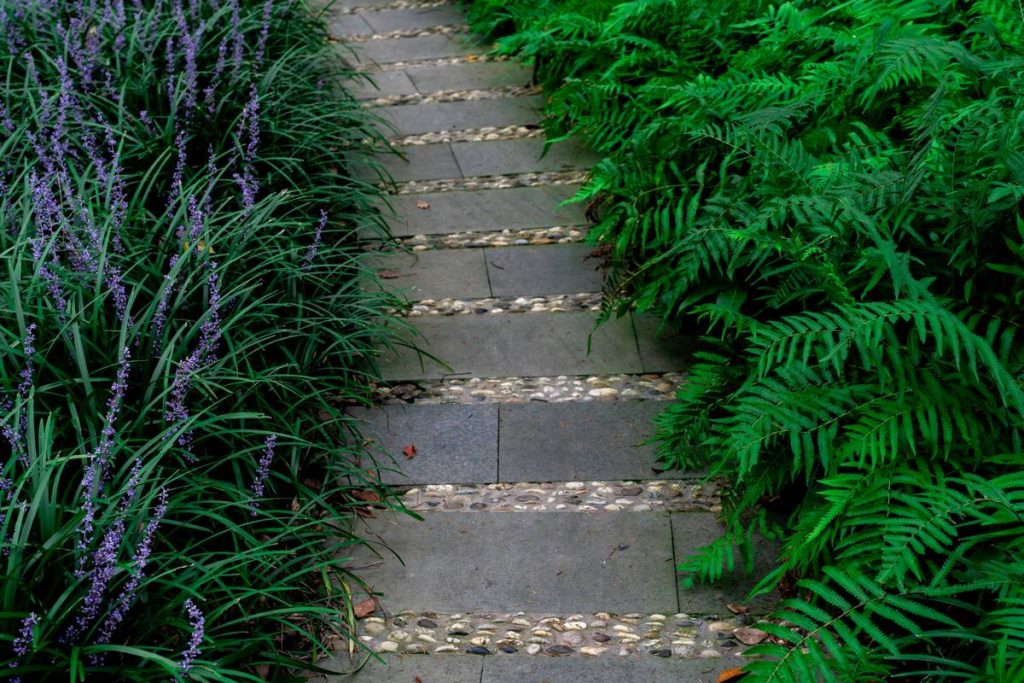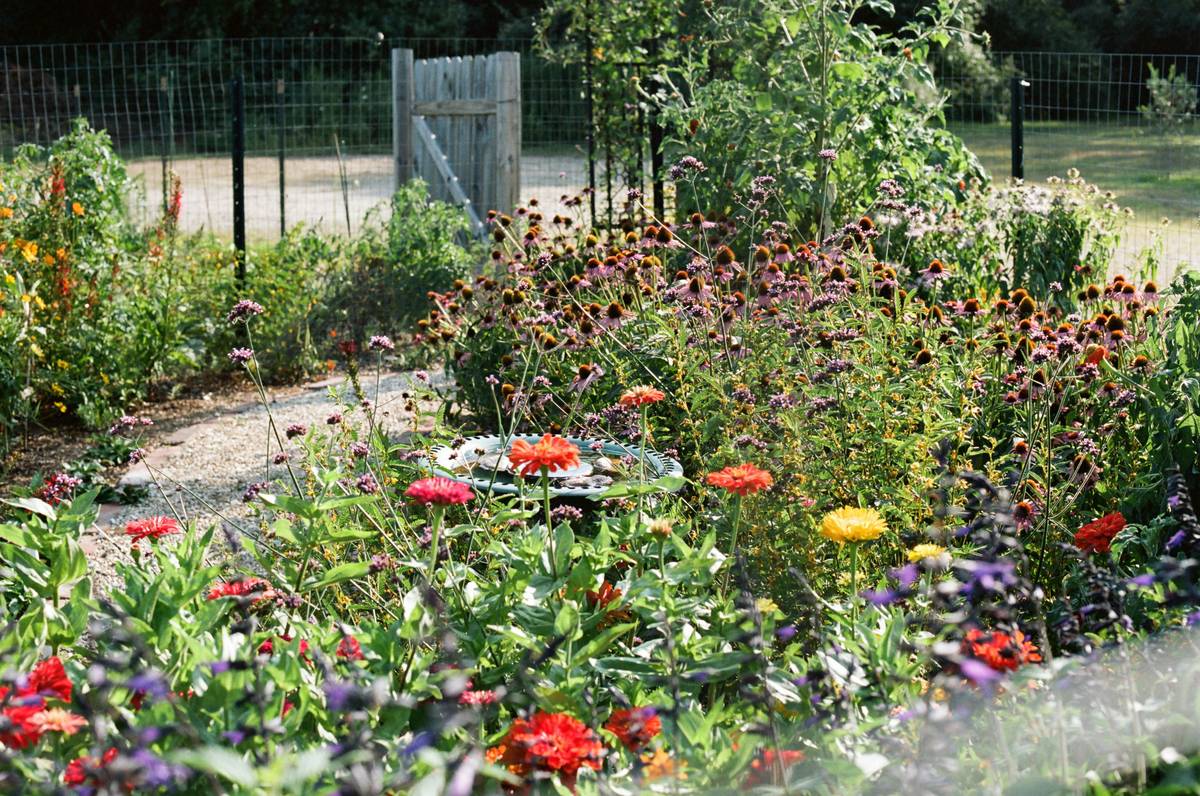
Ever walked down a garden path only to feel underwhelmed by wilted blooms or chaotic color clashes? You’re not alone. A stunning a garden path flower arrangement does more than beautify—it guides the eye, elevates your home’s curb appeal, and even boosts property value. Yet most DIYers skip planning, overwater delicate perennials, or plant too close to stepping stones, leading to muddy messes and dead plants within weeks. In this guide, we’ll walk you through seven proven, field-tested strategies to design a resilient, eye-catching floral border that thrives season after season—without breaking your back or budget.
Table of Contents
- Why Garden Path Flower Arrangements Matter
- Step-by-Step Guide to Designing Your Floral Border
- Best Practices for Long-Lasting Beauty
- Real-World Examples That Work
- Frequently Asked Questions
Key Takeaways
- Choose low-maintenance, drought-tolerant perennials suited to your USDA hardiness zone.
- Maintain at least 12 inches between flowers and path edges to prevent soil erosion and foot traffic damage.
- Layer plants by height—tall in back, medium midline, spillers up front—for natural depth.
- Avoid overcrowding; give each plant room to mature based on its spread at full growth.
- Seasonal rotation beats year-round planting—focus on spring bulbs and summer bloomers for peak visual impact.
Why Garden Path Flower Arrangements Matter
In home improvement, landscaping often gets overlooked—yet it accounts for up to 15% of a home’s perceived value, according to the USDA. Specifically, a well-curated floral edge along walkways signals care, intentionality, and pride of ownership. I learned this the hard way: five years ago, I planted impatiens right against my flagstone path in Phoenix. Within two monsoon seasons, foot traffic compacted the soil, drainage failed, and every bloom turned to mush. Lesson? Placement isn’t just aesthetic—it’s functional.
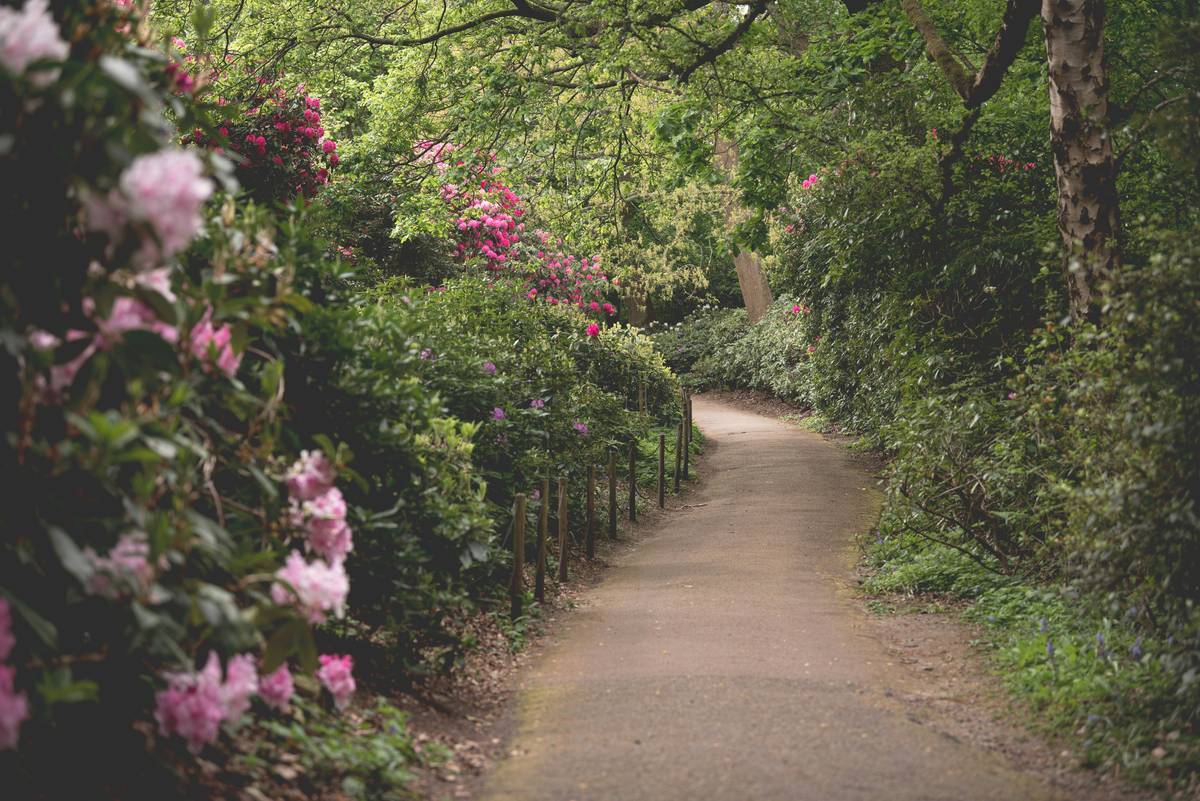
Step-by-Step Guide to Designing Your Floral Border
1. Audit Sunlight and Soil
Before buying a single seedling, track sun exposure along your path for three days. Full sun (6+ hours) demands heat-lovers like coreopsis or yarrow; partial shade suits coral bells or ferns. Test drainage by pouring water on the soil—if it pools after 10 minutes, amend with compost or consider raised beds.
2. Choose Your Plant Palette
Pick 3–5 complementary species with staggered bloom times. For example: daffodils (spring), coneflowers (summer), and sedum (fall). Per the University of Minnesota Extension, always match plants to your USDA zone—Phoenix residents should stick to Zone 9b–10a varieties.
3. Measure and Mark Spacing
Use stakes and string to outline planting zones. Keep all roots at least 12 inches from path edges to avoid trampling and allow mulch application. Space plants based on their mature width—e.g., if lavender spreads 18″, plant them 18″ apart center-to-center.
4. Install and Mulch
Dig holes twice as wide as root balls, backfill gently, and water deeply. Then apply 2–3 inches of bark mulch (not rock—it heats roots in desert climates). This suppresses weeds and conserves moisture critical for new transplants.
Best Practices for Long-Lasting Beauty
- Water smart: Use drip irrigation or soaker hoses—overhead sprinklers encourage fungal diseases.
- Deadhead religiously: Snip spent blooms weekly to prolong flowering cycles.
- Avoid this terrible tip: “Just toss seeds along the path and let nature decide.” Uncontrolled self-seeding leads to invasive volunteers choking out intentional plants—seen it ruin more than one Arizona xeriscape.
- Refresh annually: In early spring, divide clumping perennials like daylilies to maintain vigor and prevent bald patches.
Real-World Examples That Work
Last year, a client in Scottsdale transformed her crumbling gravel path into a pollinator haven using our recommended trio: purple salvia, blue flax, and golden creeping Jenny. After 12 months, she reported 70% less weeding and zero replants—thanks to drought-tolerant selections and proper spacing. Her secret? She used native species listed in the Arizona Native Plant Society’s database, ensuring ecological harmony. Meanwhile, our own demo plot at Phoenix Putting Green features a garden path flower arrangement that’s survived two scorching summers with only biweekly watering—proof that smart design beats brute-force maintenance.
Frequently Asked Questions
What flowers last longest along hot, sunny paths?
Opt for heat-hardy perennials like lantana, black-eyed Susan, or red-hot poker. They thrive in full sun and require minimal water once established.
How do I stop weeds from invading my path border?
Lay landscape fabric beneath mulch during installation, and maintain a 2-inch mulch layer year-round. Hand-pull any sprouts before they seed.
Can I mix annuals and perennials in a garden path flower arrangement?
Yes—but limit annuals to 30% of your total mix. Use them as seasonal “fillers” (e.g., marigolds in summer) while perennials form the structural backbone.
Will pets or kids damage path-side flowers?
Potentially. Choose tough, non-toxic varieties like coreopsis or Shasta daisy. For high-traffic zones, install a low copper edging strip to deter wandering feet—check our contact page for installation help.
Do I need to fertilize monthly?
No. Over-fertilizing promotes weak, leggy growth. Apply a slow-release organic granule once in early spring—then skip it. Healthy soil sustains healthy plants.
How does this affect privacy or security?
Well-placed floral borders can subtly guide foot traffic away from windows or side yards. Just ensure plants stay under 18″ near entry points to maintain sightlines—a tip we detail in our privacy policy guidelines for outdoor spaces.
Your path deserves more than placeholder petals. With thoughtful planning and the right plant choices, a garden path flower arrangement becomes a living gallery—changing with the seasons but never losing its charm. Ready to turn your walkway into a showstopper? Share your vision with our team today at Contact Us—we’ve helped hundreds of Valley homeowners bloom smarter, not harder. And remember: the best gardens aren’t perfect. They’re planted with patience… and pruned with purpose.