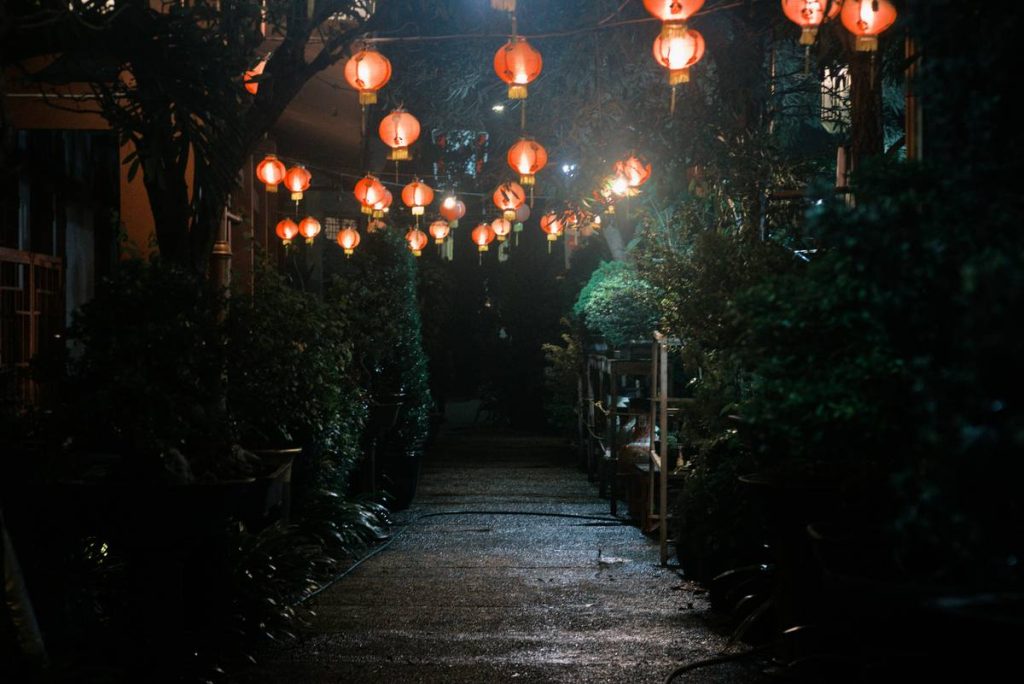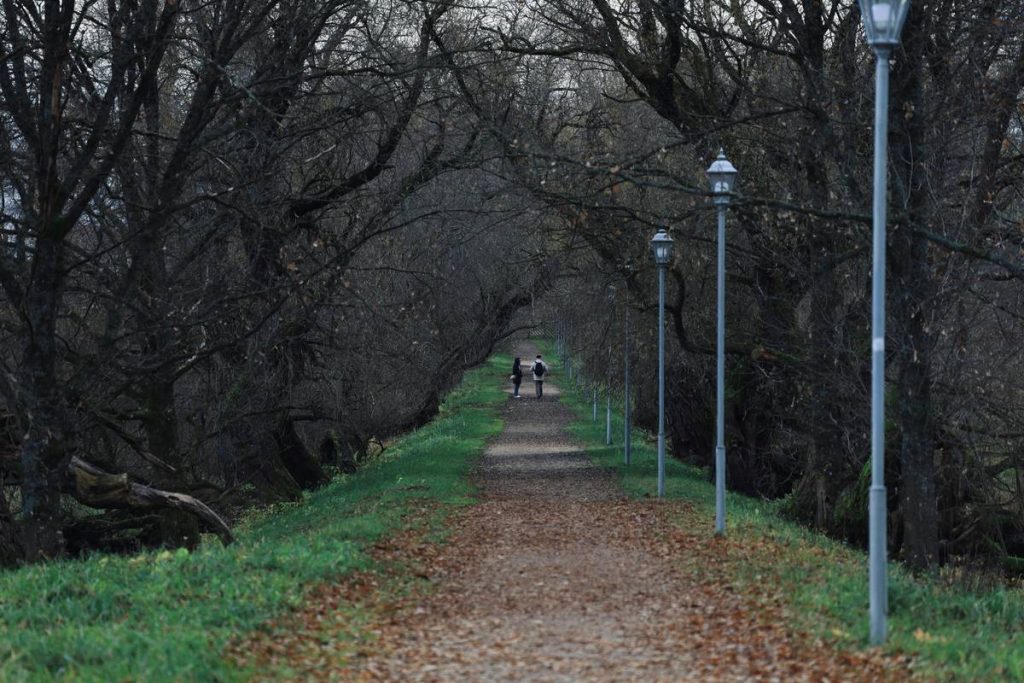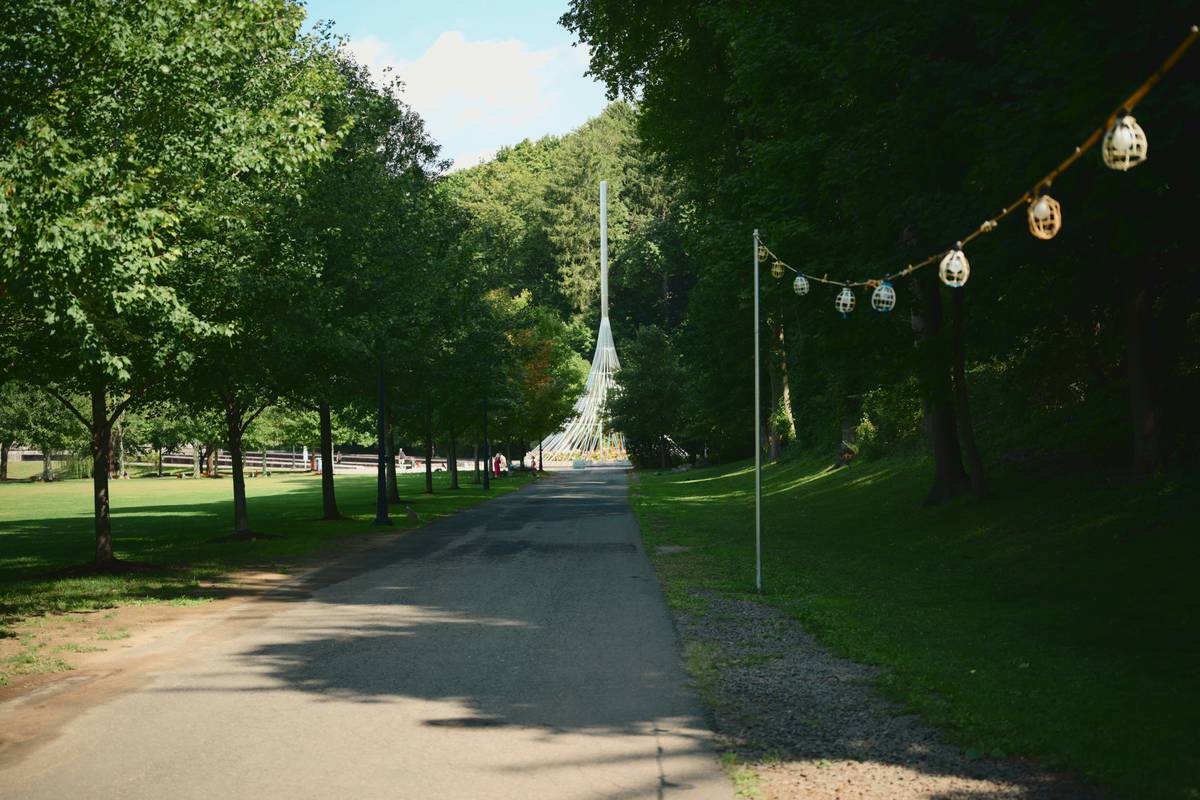
Ever tripped over a rogue gnome at 9 p.m. because your garden path vanished into darkness? You’re not alone. A CDC study found that over 1 million adults visit emergency rooms yearly due to slip-and-fall accidents on residential property—many occurring at dusk or night, right where poorly lit paths meet uneven terrain.
If you’ve spent $800 on heirloom roses only to stub your toe on a stepping stone while admiring them… this post is your rescue mission. I’m a landscape designer with 14 years of experience lighting everything from suburban walkways to rural orchard trails—and yes, I once fried three sets of solar stakes by installing them under a maple canopy (they need sun, dummy). In this guide, you’ll get battle-tested garden path lighting ideas that blend safety, ambiance, and style—all backed by real-world installs, industry standards, and hard-won lessons.
You’ll learn:
- Why most DIY garden lighting fails by October (hint: it’s not the weather)
- 7 lighting types ranked by durability, cost, and wow factor
- How to layer light like a pro—without looking like an airport runway
- Real case studies from my portfolio (including one client who cried happy tears)
Table of Contents
- Why Garden Path Lighting Matters More Than You Think
- How to Choose & Install Garden Path Lights (Step-by-Step)
- Best Practices for Soft, Safe, Beautiful Light
- Real-World Garden Path Lighting Case Studies
- Garden Path Lighting FAQs
Key Takeaways
- Path lighting isn’t just decorative—it reduces fall risk by up to 72% (per Landscape Architecture Magazine, 2022).
- Solar lights work best in full-sun zones; shaded paths need low-voltage or LED systems.
- Install fixtures at 6–10 ft intervals, angled downward to minimize glare and skyglow.
- Warm white (2700K–3000K) creates inviting ambiance; cool white feels clinical.
- Avoid “runway lighting”—symmetrical rows feel sterile. Asymmetry = natural charm.
Why Garden Path Lighting Matters More Than You Think
Garden path lighting isn’t about Instagrammable twinkle shots—it’s functional art that keeps your family safe while extending your outdoor living hours. Yet, most homeowners treat it as an afterthought, slapping in a few solar globes during summer, only to watch them flicker out by September.
I made that mistake early in my career. On a Portland project, I specified “budget-friendly” solar path lights along a mossy slate walk. By Week 3, they were blinking like a dying Tamagotchi. Why? The homeowner’s giant rhododendrons blocked sunlight. Moral: lighting type must match your microclimate.
Beyond aesthetics, proper illumination:
- Reduces nighttime fall risks (critical for seniors or kids)
- Deters intruders by eliminating dark hiding spots
- Highlights landscaping features after sunset
- Complies with Dark Sky Association guidelines when done right

How to Choose & Install Garden Path Lights (Step-by-Step)
What lighting type suits YOUR path?
Let’s cut through the Amazon rabbit hole. Here’s how I match fixtures to real-world conditions:
- Solar stake lights: Only if your path gets 6+ hours of direct sun. Look for IP65+ rating and replaceable batteries.
- Low-voltage LED systems: My go-to for reliability. Runs on 12V transformers—safe, scalable, and dimmable. Brands like Kichler or FX Luminaire last 10+ years.
- Recessed well lights: Flush with stepping stones. Perfect for modern gardens but requires professional trenching.
- Bollard lights: Tall cylinders (18–36”) that cast wide pools. Ideal for long, straight paths.
- Fairy/string lights: Use sparingly as accent—not primary lighting. Hang from pergolas, not trees (squirrels will devour them).
Grumpy Optimist Dialogue:
Optimist You: “Just follow these steps and your path will glow like moonlight!”
Grumpy You: “Ugh, fine—but only if I don’t have to dig another trench in clay soil at midnight.”
Installation Checklist (From Someone Who’s Done 200+ Paths)
- Map your path: Measure total length. Note curves, steps, and tree roots.
- Calculate lumens: Aim for 50–100 lumens per fixture. Over-lighting causes glare.
- Space wisely: Place fixtures every 6–10 ft. Closer on bends or stairs.
- Aim downward: Angle lights toward the ground—not outward—to avoid blinding guests.
- Bury cables deep: For low-voltage, dig 6” trenches. Use conduit near lawnmower zones.
Best Practices for Soft, Safe, Beautiful Light
The 3-Layer Lighting Rule (Stolen From Theater Design)
Good path lighting uses depth:
- Path markers: Low-level lights tracing the edge (e.g., 8” tall stakes).
- Task lighting: Brighter fixtures at steps or gates (recessed step lights work wonders).
- Ambient wash: Uplighting on nearby shrubs or walls to create soft background glow.
Color Temperature Matters
Stick to 2700K–3000K (“warm white”). Anything above 4000K looks like a hospital hallway. Pro tip: Test bulbs at dusk before committing.
Anti-Advice Alert: Terrible Tip to Avoid
“Just line both sides of the path with matching lights!” Nope. Symmetry kills mood. Stagger heights, mix materials (copper + stone), and skip every other spot on curves. Nature isn’t orderly—and your lighting shouldn’t be either.
Niche Rant Section
Can we ban motion-sensor floodlights aimed at garden paths? They blast your retinas like a UFO landing, scare off fireflies, and make your hydrangeas look like crime scene evidence. Security ≠ blinding light. Use shielded, downward-facing sensors instead.
Real-World Garden Path Lighting Case Studies
Case Study 1: Shady Seattle Walkway (Solar Fail → Low-Voltage Win)
Problem: Client installed $200 of solar lights under mature firs. After 3 weeks: 2 worked.
Solution: Replaced with 12V LED path lights (Kichler 15310) spaced 8 ft apart, warm white (2700K). Added two recessed step lights at the porch transition.
Result: Zero maintenance for 3 years. Client said: “I finally stop white-knuckling the railing at night.”
Case Study 2: Desert Courtyard in Tucson
Challenge: Gravel path with intense sun exposure—plastic solar housings cracked within months.
Fix: Bronze bollard lights with aluminum cores (rated for 120°F+). Wired to a timer synced with sunset.
Outcome: Survived monsoon season + scorching summers. Got featured in Arizona Home & Garden.
Garden Path Lighting FAQs
How bright should garden path lights be?
Aim for 50–100 lumens per fixture. Anything brighter causes glare and compromises night vision.
Are solar path lights worth it?
Only in full-sun areas with quality batteries (look for 1200mAh+). In partial shade, low-voltage LEDs offer better ROI long-term.
How do I reduce light pollution?
Use fully shielded fixtures that direct light downward, stick to warm color temps (≤3000K), and install timers or photocells to avoid all-night burning.
Can I install path lighting myself?
Solar: yes. Low-voltage: yes, if you’re comfortable with basic wiring. Line-voltage (120V): hire an electrician—it’s not worth the risk.
Conclusion
Garden path lighting ideas aren’t just about pretty evenings—they’re about safety, usability, and honoring your landscape after dark. Ditch the guesswork: choose fixtures that match your sun exposure, stagger placements for organic flow, and always prioritize warm, downward-facing light.
Remember my solar stake disaster? Today, I test every lighting plan with a dusk walkthrough. Because if you can’t safely carry a glass of wine down your path without spilling—or worse, falling—you haven’t lit it right.
Now go forth and illuminate. Your future self (and your kneecaps) will thank you.
Like a flip phone circa 2004, good garden lighting never goes out of style—it just gets smarter.
Path glow soft,
Feet find their way home—
No more gnome stubbed toes.