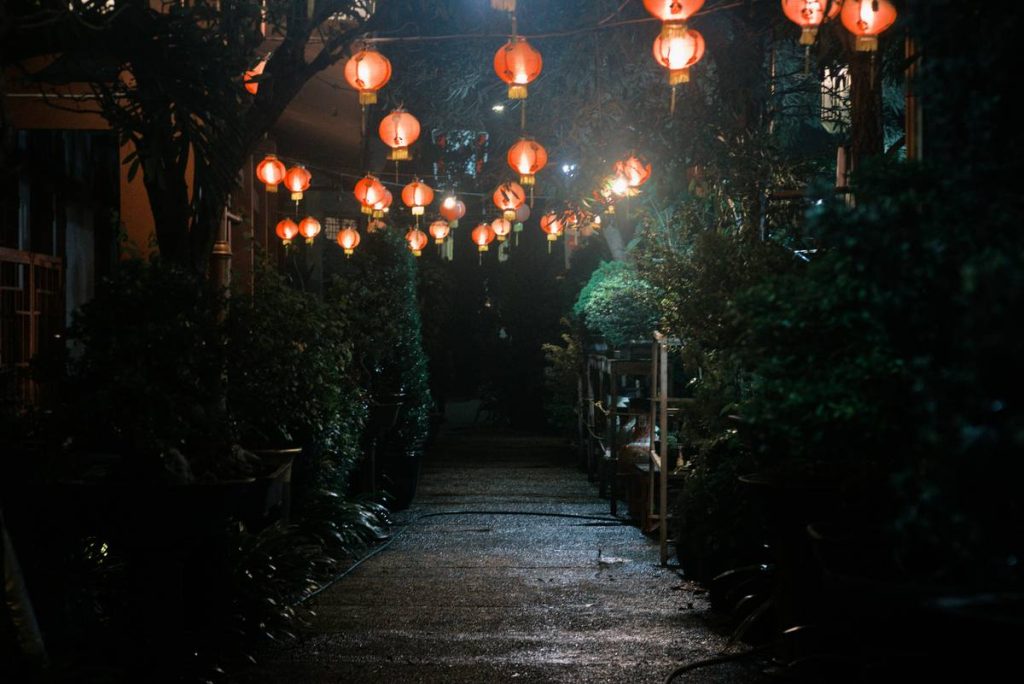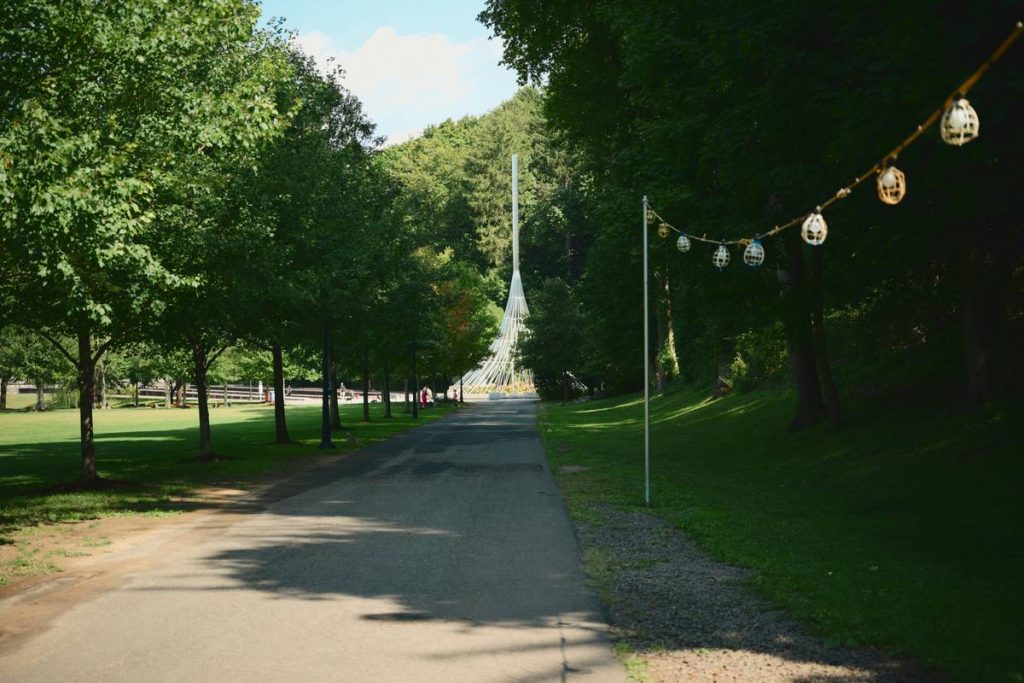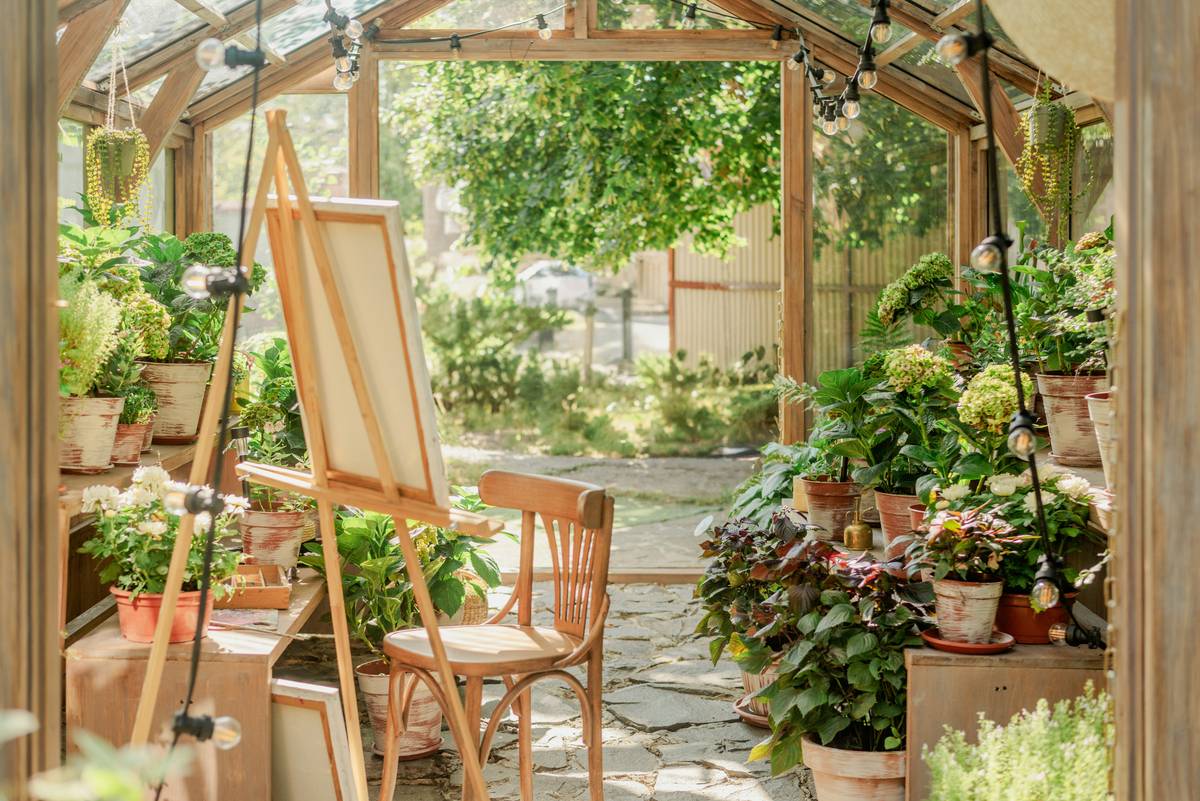
Your garden path disappears after dusk. Guests stumble over uneven stones. Plants vanish into black voids. And those cheap solar spikes you bought online? Dead by September. Here’s the fix: strategic, durable outdoor garden lighting UK that blends safety, aesthetics, and value—without rewiring your entire backyard.
Why Most Garden Lighting Setups Fail Within a Year
People install lights based on Pinterest mood boards—not British weather reality. They choose style over function. Then rain corrodes connectors. Frost heaves fixtures out of alignment. Sun-starved solar panels flicker weakly by 7 PM.
And voltage drop? Ignored until the third light in the run glows like a dying firefly. The real issue isn’t budget—it’s poor system design disguised as “decor.”
How to Install Outdoor Garden Lighting UK That Lasts (Without an Electrician)
Forget plug-and-pray kits. Build a layered system. Combine task lighting for steps with ambient glow for borders. Use 12V low-voltage where possible—it’s safer, cheaper, and dimmable.
Select Fixtures That Survive UK Conditions
Prioritise IP67-rated housings. Brass or marine-grade aluminium beats plastic every time. Look for adjustable heads—you’ll thank yourself when shrubs grow.
Map Your Light Zones First
Sketch your path. Mark trip hazards (steps, roots, slopes). Then identify “soft zones” for mood—edges, planters, water features. Never light the whole path uniformly. Shadows create depth.
Choose Power Sources Wisely
Solar only works if your garden gets direct sun 5+ hours daily—rare in Manchester or Glasgow. Mains-powered low-voltage is more reliable long-term. But if you go solar, oversize the panel by 30% to compensate for cloud cover.
| Lighting Type | Upfront Cost (per 10m path) | Lifespan | Best For |
|---|---|---|---|
| Solar Stake Lights | £25–£45 | 6–18 months | Decorative borders only—avoid on main paths |
| 12V Low-Voltage LED Bollards | £120–£200 | 7–10 years | Main pathways, steps, high-traffic zones |
| In-Ground Well Lights | £90–£160 | 5–8 years | Dramatic uplighting of trees or sculptures |
| Battery-Powered Smart LEDs | £60–£110 | 2–4 years (battery dependent) | Rental gardens or temporary setups |

The Industry Secret: Light Temperature Dictates Perceived Space
Here’s what no retailer tells you: 2700K–3000K warm white makes small gardens feel intimate. But go above 3500K—cool white—and your space reads as clinical, exposed, even smaller. Yet most UK garden lights ship at 4000K+ because it’s cheaper to manufacture.
Test bulbs before installing the full run. Hold one near your patio door at dusk. Does it feel welcoming—or like a hospital car park? The difference is psychological but instant. Also—bury cables at least 10cm deep, not 5cm. Shovels and frost heave will snap shallow wires by year two. Trust me, I’ve replaced too many.

Frequently Asked Questions
Do I need planning permission for garden lighting in the UK?
No—if it’s low-voltage (under 120W) and doesn’t trespass on neighbours’ property with glare. Avoid floodlights pointing outward.
Can I install outdoor garden lighting UK myself?
Yes, for 12V systems. Mains-voltage (230V) requires a Part P-certified electrician. Don’t risk DIY on anything plugged directly into household current.
How do I maintain garden lights through winter?
Clean lenses monthly with vinegar-water. Store solar units indoors during heavy snow. Check seals annually—replace any cracked gaskets immediately.