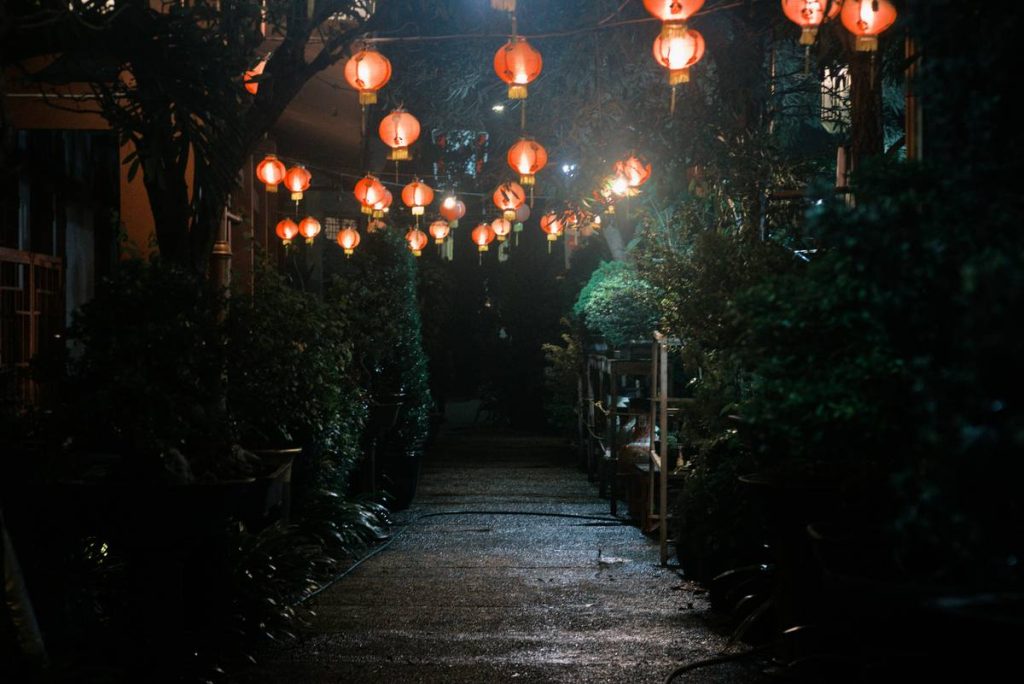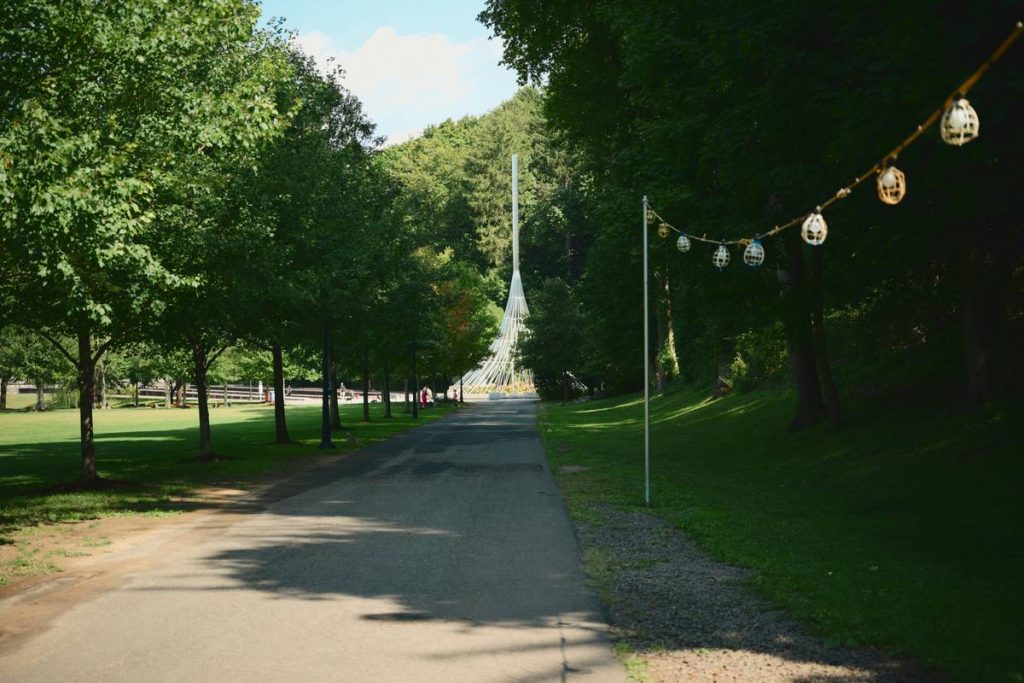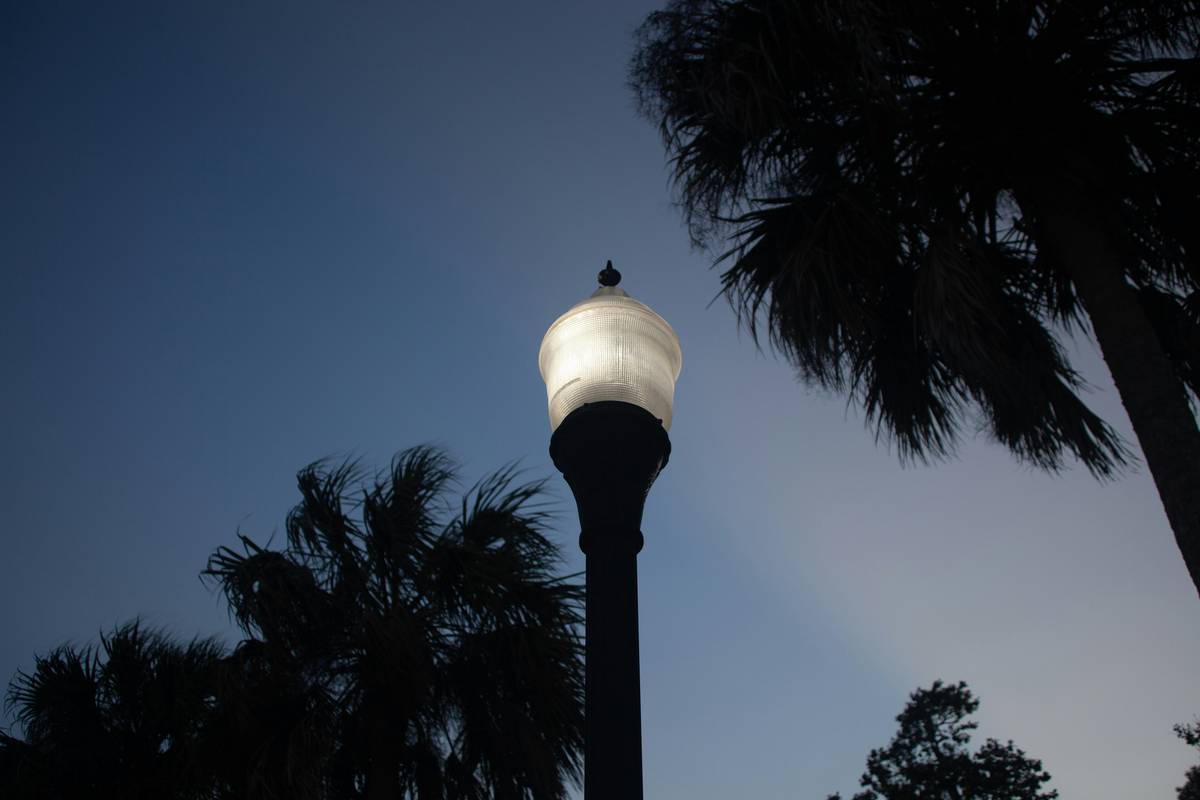
Most garden paths vanish after sunset—not because they’re poorly built, but because the lighting’s an afterthought. You spent weeks choosing pavers, plants, and curves… only to drown them in harsh, mismatched bulbs that kill ambiance and attract bugs. Here’s the fix: intentional, layered lighting that elevates your outdoor space without burning your budget or your retinas.
Why Most Garden Lighting Fails
People treat outdoor lighting like indoor—just brighter. Big mistake. Garden lighting isn’t about illumination; it’s about mood, safety, and focal points. Slap a few solar stake lights along a path and you’ve created a runway, not a retreat. Worse, cheap LEDs flicker by July, and unshielded fixtures blind guests while leaving shadows where tripping hazards hide. The real issue? No hierarchy. You need ambient, task, and accent layers working together—or don’t bother at all.
Garden Landscape Lighting Ideas: A Practical Blueprint
Forget “more is better.” Strategic placement beats brute force every time. Start with your path’s function: Is it purely aesthetic? A main walkway? A mix? Then layer accordingly.
Pathway Markers vs. Ambient Glow
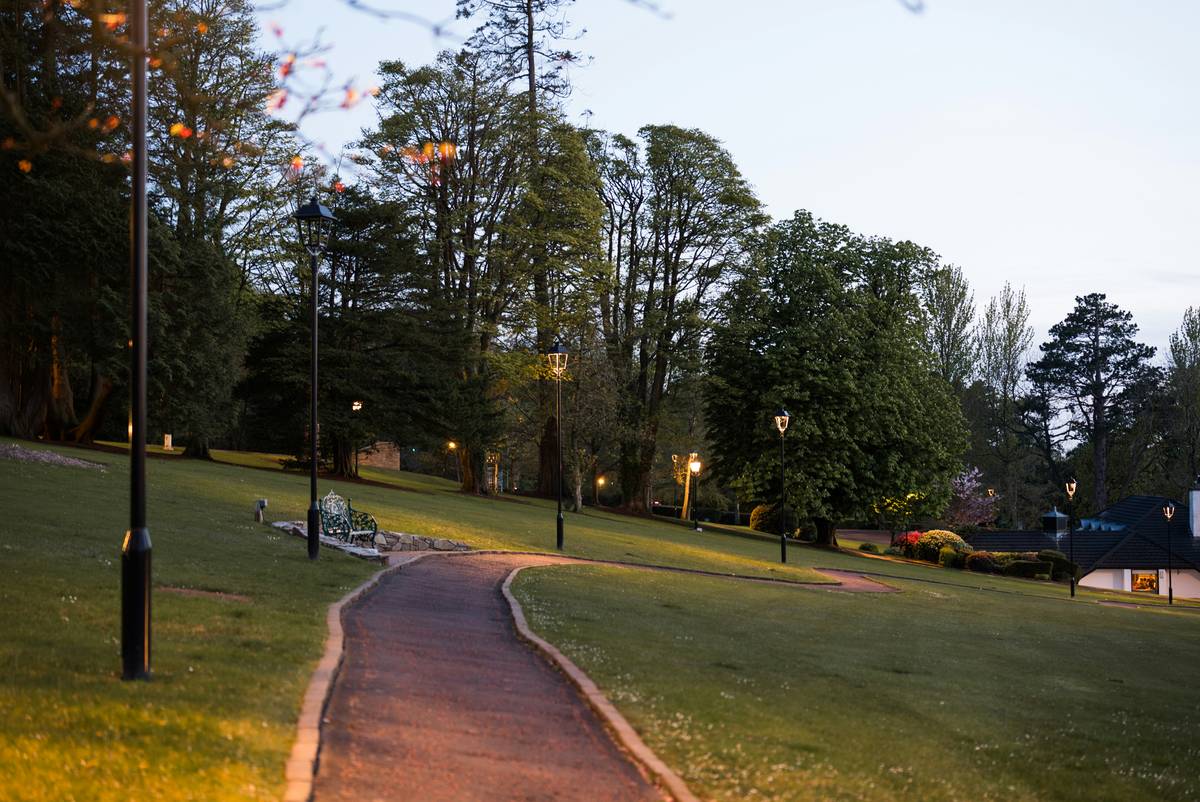
Low-voltage LED path lights (18–24 inches tall) should line both sides—but staggered, not symmetrical. Place them 6–8 feet apart to avoid strobing. For soft ambient light, tuck bollards or well lights near shrubs to bounce warmth upward. Never point fixtures directly at seating areas.
Accent Lighting for Drama
Uplighting a specimen tree or textured wall adds depth. Use narrow-beam, 3000K LEDs buried just off-center. One strong accent beats three weak ones. And always shield the bulb—nobody wants to stare into a miniature sun while sipping wine.
Hidden Costs & Long-Term Value
Solar seems cheap until winter rolls in and your path goes dark for months. Hardwired low-voltage systems cost more upfront but deliver consistent output, color accuracy, and dusk-to-dawn reliability. The math is simple: spend smart now, enjoy for years.
| Lighting Type | Avg. Cost per Fixture | Lifespan (Hours) | Best Use Case | Drawback |
|---|---|---|---|---|
| Solar Path Lights | $8–$15 | 1,000–2,000 | Decorative side paths, mild climates | Unreliable in shade/winter; weak output |
| Low-Voltage LED (Hardwired) | $25–$60 | 25,000–50,000 | Main pathways, year-round use | Higher install cost; needs transformer |
| In-Ground Well Lights | $40–$90 | 30,000+ | Uplighting trees, walls, sculptures | Requires precise aiming; risk of water ingress if sealed poorly |
The Industry Secret: Light Temperature Controls Perception
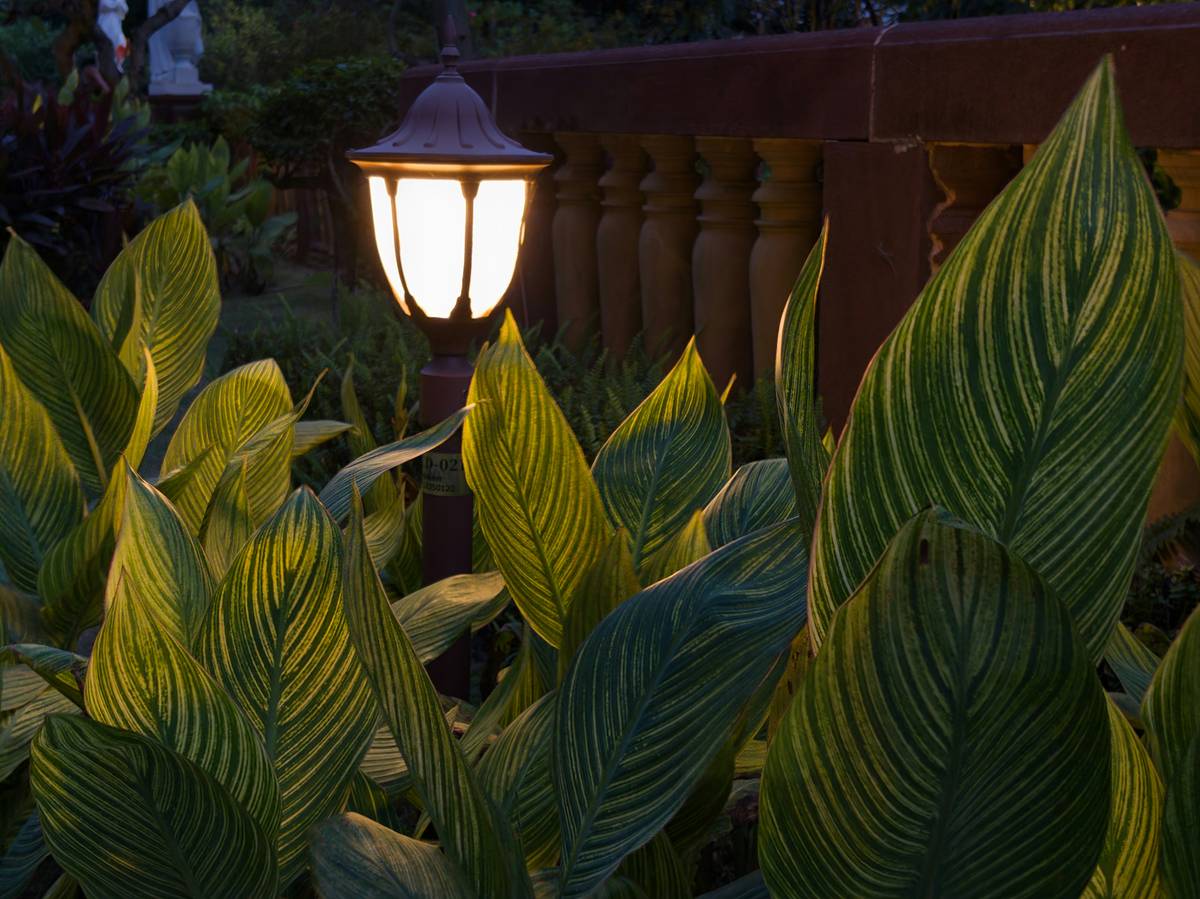
Here’s what electricians won’t tell you: 2700K to 3000K isn’t just “warmer”—it actually makes spaces feel larger and safer. Higher Kelvin temps (4000K+) create clinical, hospital-like vibes that shrink perceived distance and heighten anxiety. But most big-box stores push 4000K because it’s cheaper to manufacture. Don’t fall for it. Stick to 2700K–3000K for any residential garden path. And—this is critical—buy all fixtures from the same batch. Even slight color variance between brands creates visual chaos at night. Test before you install.
Frequently Asked Questions
How far apart should garden path lights be placed?
Space them 6 to 8 feet apart along straight paths. On curves, reduce to 4–5 feet for consistent guidance without hotspots.
Can I mix solar and hardwired lighting?
Technically yes—but avoid doing so on the same path. Mismatched brightness and color temperature will look sloppy, not intentional.
What’s the best height for pathway lights?
18 to 24 inches above ground. Tall enough to cast useful light, low enough to avoid glare. Keep tops below knee level for seated sightlines.