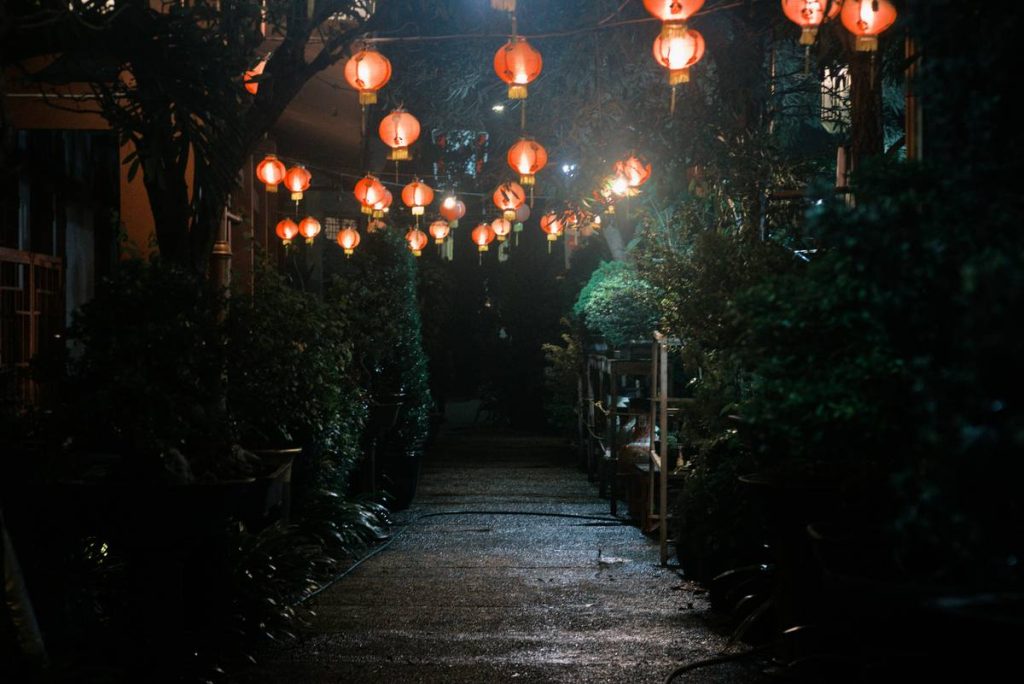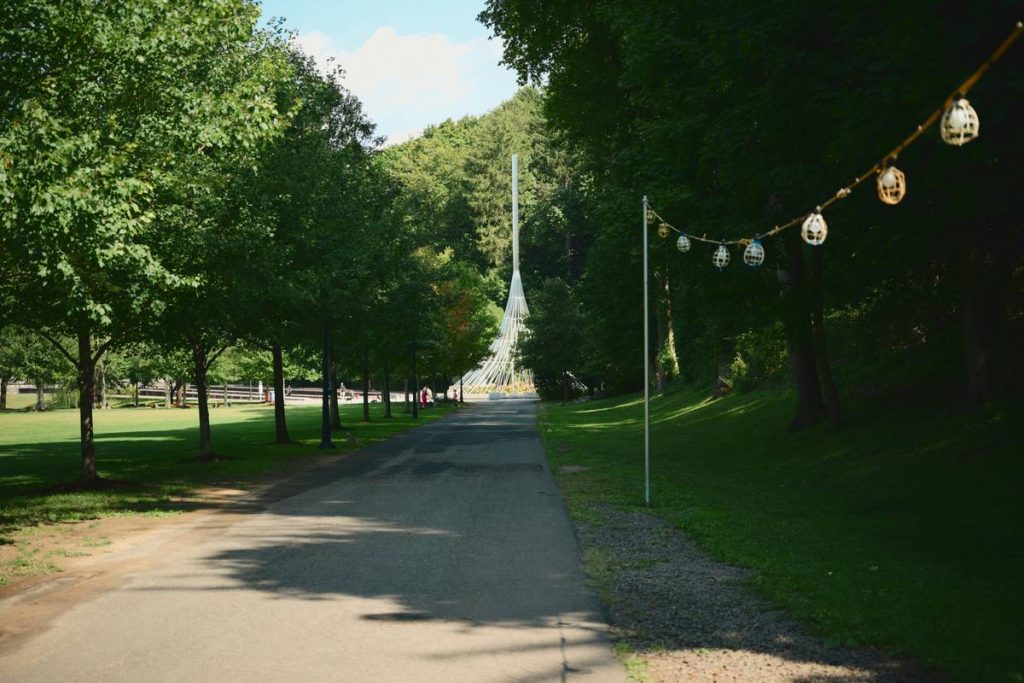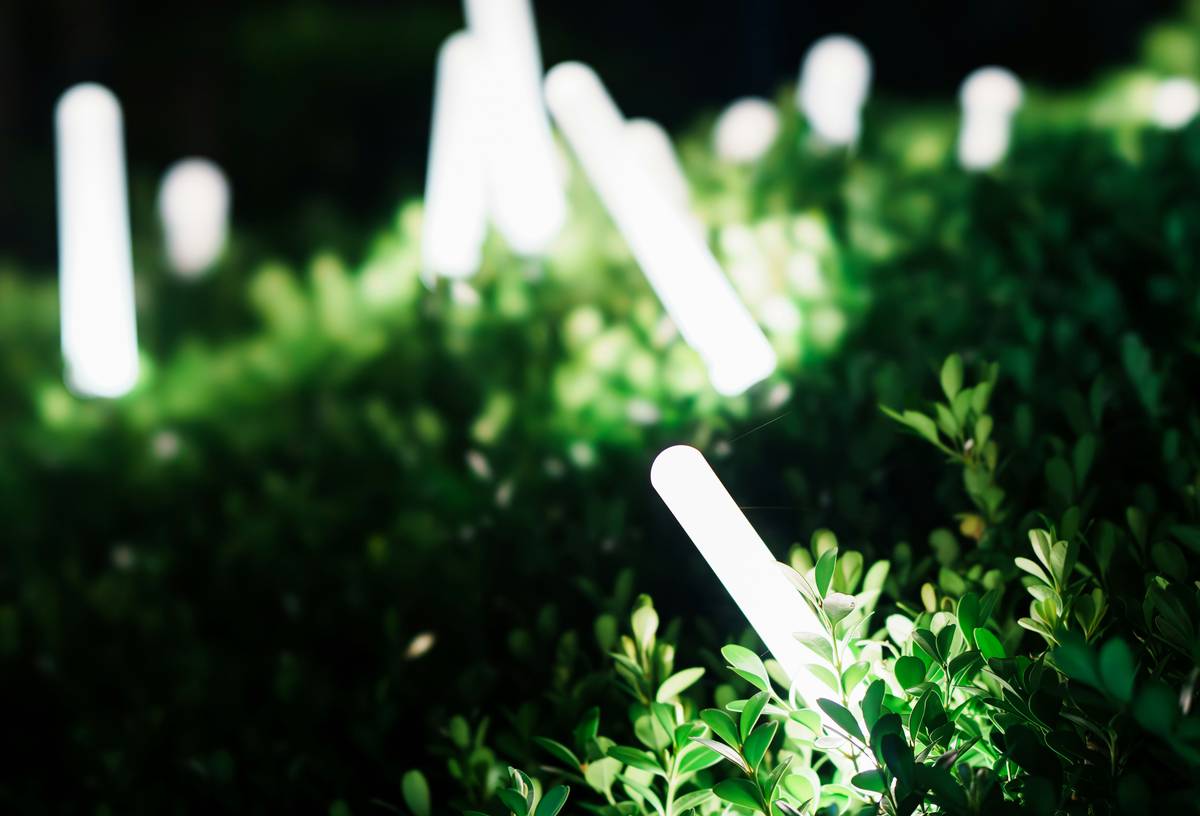
You spent weekends hauling gravel, planting border shrubs, and laying that perfect stepping stone path. But at night? Your garden vanishes. Shadows swallow your hard work. And those cheap solar stakes you bought? They flicker like dying fireflies by 8 p.m. The problem isn’t your vision—it’s your garden landscape lighting. Most homeowners treat it as an afterthought. Big mistake.
Why 90% of DIY Garden Lighting Projects End in Regret
It’s not about brightness. It’s about storytelling with light—and most kits tell a flat, confusing tale. Solar path lights look cute in the box. In reality? They cast harsh downward glare that flattens texture and creates distracting hotspots. Worse—they die when you need them most: during cloudy stretches or winter evenings.
Wired low-voltage systems fare better—but only if you avoid “spray-and-pray” placement. Dumping fixtures every three feet turns your oasis into an airport runway. Not ambiance. Not mood. Just utility lighting masquerading as decor.
And color temperature? Most off-the-shelf LEDs blast 6000K “daylight” white—sterile, clinical, utterly wrong for a garden meant to soothe, not sterilize.
How to Install Garden Landscape Lighting That Actually Wows
Forget copying Pinterest boards. Real impact comes from layering light like a cinematographer—not a contractor.
Step 1: Map Your Garden’s Nighttime Personality
Walk your yard at dusk. Where do shadows pool intriguingly? Which tree trunk begs for uplighting? What pathway edge disappears after sunset? Note these “dark zones.” Your lighting should reveal—not overexpose.
Step 2: Choose Fixtures with Purpose
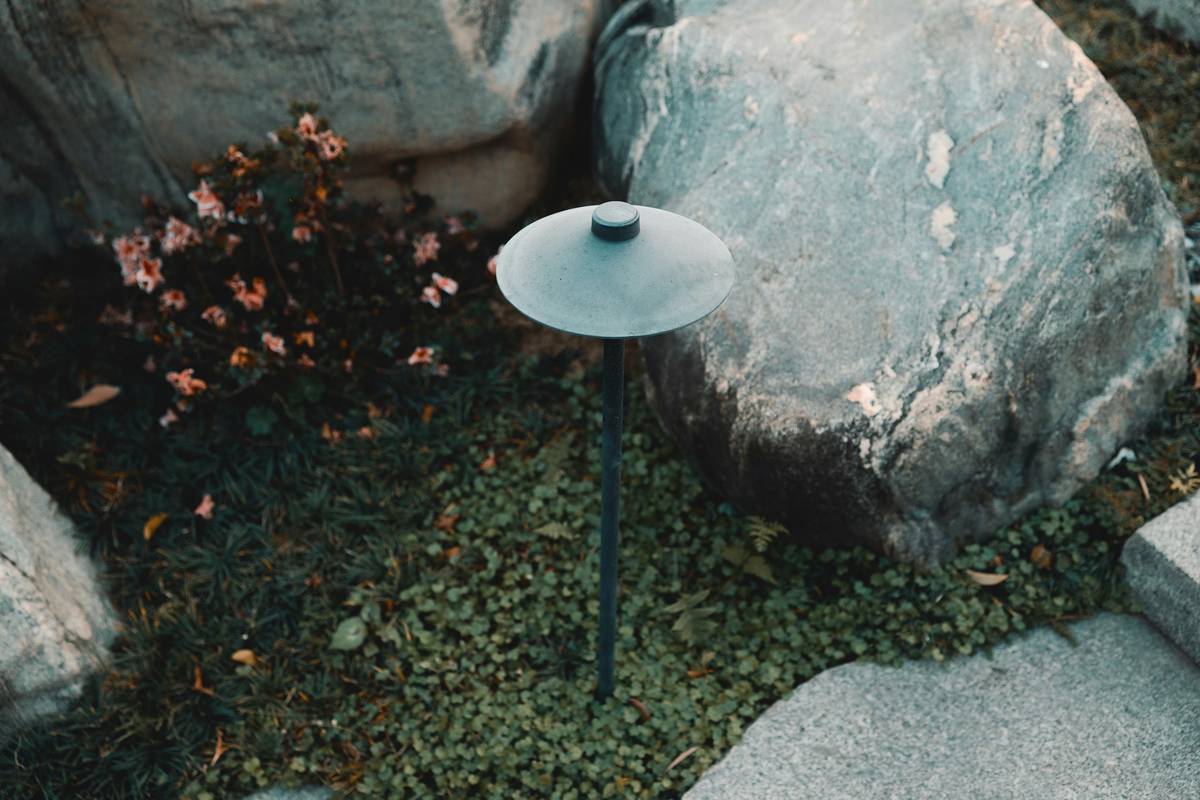
Bollards for wide paths. Recessed step lights for safety without glare. Grazing wall washers to highlight textured masonry. Each fixture has a job. Don’t force one type to do everything.
Step 3: Go Warm—Always
Stick to 2700K–3000K LEDs. Anything cooler feels like a supermarket parking lot. Warm light flatters foliage, enhances wood tones, and creates intimacy.
Step 4: Bury Wires Deep (or Go Smart)
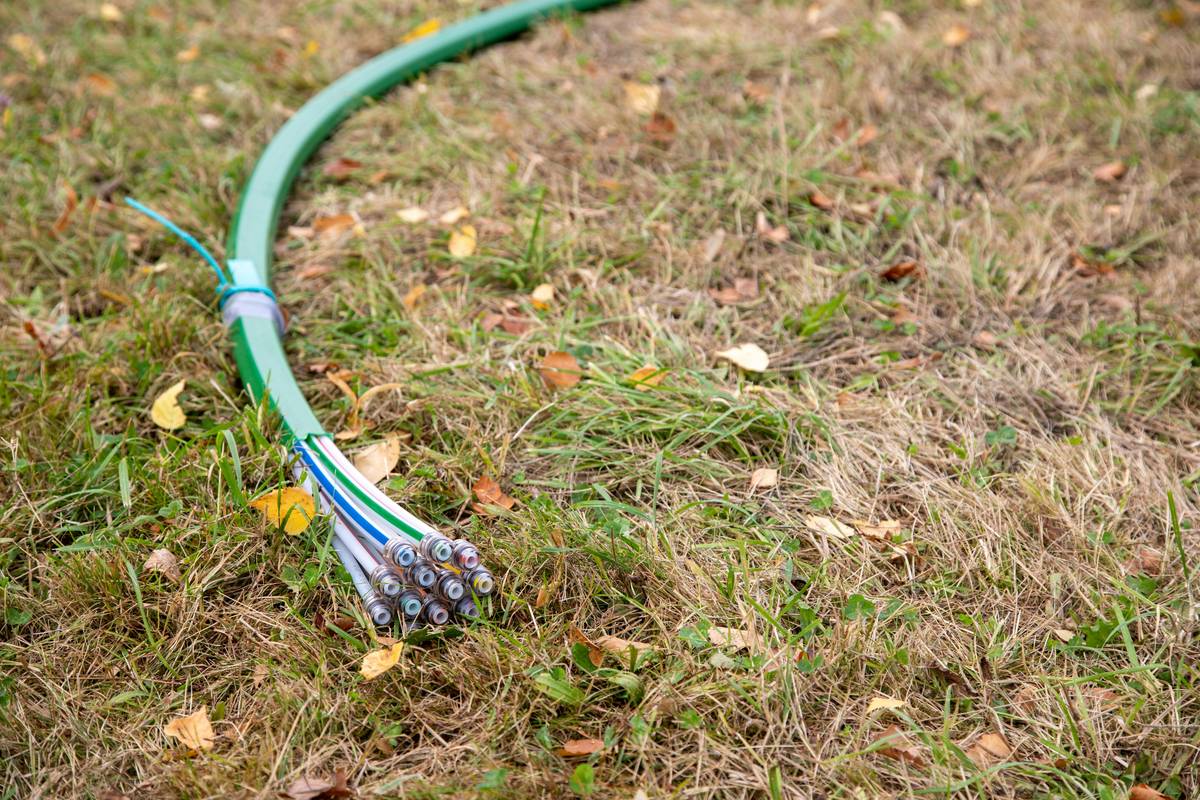
Low-voltage cable must sit 6+ inches underground—below frost line and shovel depth. Or skip trenching entirely with smart wireless systems (yes, they exist beyond solar junk).
| Lighting Type | Upfront Cost (Per Fixture) | Lifespan | Nighttime Impact |
|---|---|---|---|
| Cheap Solar Stakes | $8–$15 | 6–12 months | Poor—fades by 9 PM, inconsistent output |
| Low-Voltage Wired (LED) | 5–10 years | Excellent—with proper placement and warm CCT | |
| Smart Wireless (Battery + App) | $40–$85 | 3–7 years | High—adjustable brightness, scheduling, no trenching |
The Industry Secret No Retailer Will Tell You
Here’s what landscape electricians whisper on coffee breaks: less light = more drama. Over-illumination kills mystery—the very soul of nighttime gardens. One well-placed 7-watt uplight beneath a Japanese maple does more than ten path lights blaring downward.
And this: voltage drop isn’t just an electrical footnote—it’s your enemy. Run more than 75 feet of 14-gauge wire on a single transformer circuit? Fixtures at the end will glow dimmer, often shifting color temperature. The fix? Use 12-gauge wire for runs over 50 feet—or split circuits early. Most DIY guides ignore this. Pros budget for it.
Think about it: your eyes adapt to darkness. Give them something subtle to discover—not a floodlit parking space.
FAQ
Can I install garden landscape lighting myself?
Yes—if you stick to low-voltage (12V) systems. They’re safe, plug-and-play, and require no permit. Avoid mains voltage unless licensed.
How many lights do I need for a small garden path?
Skip counting. Focus on effect: place one bollard every 8–10 feet on straight runs, and add step lights only where elevation changes occur.
Do solar lights work for serious garden landscape lighting?
Rarely. Modern lithium-solar hybrids last longer but still can’t match the consistency, brightness control, or color quality of wired or smart wireless options.